
Reviewed · FOOD & DRINK
Rum Tasting Experience in the Old Barrel House
Rum tells Charlotte Amalie’s story. This 45-minute tasting takes you into one of St. Thomas’s last 18th-century barrel houses, where a local host connects sugarcane rum with the port’s colonial trade. I like the clear comparison between molasses-based and sugarcane-juice rums, and I like that the tasting includes an aroma station instead of rushing straight to the glasses. The main concern is finding the entrance and confirming the meeting details before you go.
I also like the small-group format. This is a private activity, so your party gets the host’s attention rather than competing with a packed tasting room. The tasting includes at least four rums, sometimes as many as seven, plus water and plantain chips. Just remember that rum is the focus, not a full tour of Charlotte Amalie, and the scheduled Wednesday-to-Friday time slots are limited.
In This Review
- Key points to know before you book
- Entering Charlotte Amalie’s old barrel house
- Why sugarcane juice changes the rum
- The aroma station gives your nose a job
- Four to seven rums, with plantain chips on the side
- A compact lesson in St. Thomas trade
- Is $35 a fair price?
- Timing, meeting point, and the one practical warning
- Who will enjoy this most?
- Should you book the Old Barrel House tasting?
- FAQ
- Where does the rum tasting begin?
- How long does the experience last?
- How many rums will I taste?
- What else is included besides rum?
- Which days and times are available?
- Is this a private activity?
- Can I cancel for a full refund?
Key points to know before you book
- The setting is a restored 18th-century barrel house behind a jewelry store in downtown Charlotte Amalie.
- You taste four to seven rums, with a focus on artisanal sugarcane spirits from the French Caribbean tradition.
- The aroma station comes first, helping you identify scents before tasting.
- The history lesson explains rum production, including the difference between molasses and fresh sugarcane juice.
- The small private format suits curious drinkers, history fans, and cruise-day visitors who want a short cultural activity.
- Check the exact entrance in advance, since one booking ended in a long search for the location and an unreachable contact.
Entering Charlotte Amalie’s old barrel house
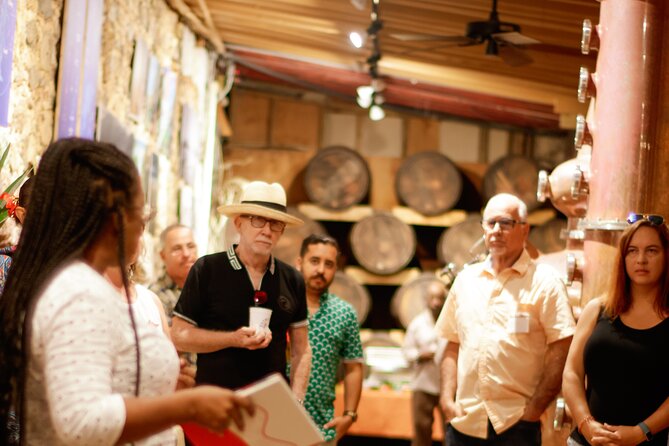
The experience begins at Cardow Jewelers, listed at 5195 Dronningens Gade, Suite 1, in Charlotte Amalie. The rum room is tucked behind the jewelry store in a restored historic barrel house, with the operator also describing the site as being at 1 Main Street. That difference matters. I would confirm the exact entrance, time, and contact details before setting out.
Once inside, the setting does much of the work. A barrel house is not a modern tasting bar with polished branding and rows of bright bottles. It connects the drink to the old trade routes that made Charlotte Amalie an important Caribbean port. You are tasting in a place tied to storage, shipping, and the business of rum.
The setting also gives the activity a sense of proportion. You are not signing up for a half-day plantation visit or a large museum program. You are spending about 45 minutes in one historic room, with the host using rum to explain the wider story of St. Thomas and the West Indies.
That short length is useful if you have only a few hours in town. It can fit before lunch, after shopping, or during a port stop. It is less suitable if you want a long walking tour through Charlotte Amalie or a full production visit with equipment and distillery rooms.
More things to do on St Thomas:
- Turtle Cove Catamaran Snorkel and Sail at Little Buck Island STT
★ 5.0 · 2,100 reviews - Snorkel St. John Tour from Sapphire and Margaritaville
★ 5.0 · 1,874 reviews - Night Kayak Tour St. Thomas – Westin Frenchman’s Reef
★ 5.0 · 1,813 reviews
Why sugarcane juice changes the rum
The central lesson is the difference between molasses-based rum and rum made from fresh sugarcane juice. That distinction gives the tasting a clear purpose. Instead of simply sampling several bottles, you learn what you are tasting and why the spirits can differ.
Molasses rum begins with a byproduct of sugar production. Sugarcane-juice rum uses the pressed juice itself. The experience presents these as two different paths, not simply two labels on a shelf. For anyone who has always treated rum as one broad category, this is the most useful part of the session.
The tasting also explains the French Caribbean connection. French Caribbean sugarcane and cognac barrel aging are presented as key reasons for a smoother, cleaner style of spirit. The point is not that one method makes every bottle better. It is that raw material, aging, and regional practice all affect the final taste.
I appreciate that this lesson comes before the tasting flight. You get a framework for comparing the rums instead of sipping blindly. You might notice a cleaner impression in one glass, a sweeter or heavier note in another, or a different finish created by the barrel. The host can then tie those impressions to the way each rum was made.
The language of terroir also appears in the experience. Here, it means the connection between place, cane, climate, production choices, and local tradition. You will not leave with a degree in rum production, but you should understand why a sugarcane spirit from one Caribbean tradition may taste unlike a molasses rum from another.
The aroma station gives your nose a job
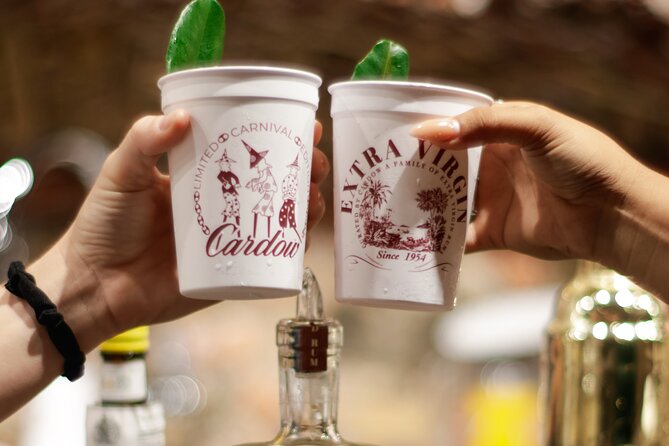
Before the tasting flight, you visit an interactive rum aroma station. This is a smart addition, especially if you normally describe every spirit as simply strong or sweet.
Aroma work slows you down. You start noticing scents before alcohol takes over your attention. The station helps you look for the kinds of smells associated with Caribbean rum, such as fruit, spice, wood, or sugar, although the exact aroma selection is not specified.
I find this useful because smell is often the best entry point for a first-time rum drinker. You do not need special vocabulary. The host can guide you from a familiar scent to what appears in the glass. That makes the tasting feel less like a test and more like a conversation.
The station also adds variety to a compact activity. With only 45 minutes, every part needs to offer something different. The sequence of history, aroma, and tasting keeps the session from becoming a simple flight poured at a counter.
The only limitation is that the experience does not promise a full sensory workshop. The aroma station is one feature within the tasting, not a separate class. If you are already an experienced rum collector, you may find the basic comparison more useful than the introductory aroma work.
Four to seven rums, with plantain chips on the side
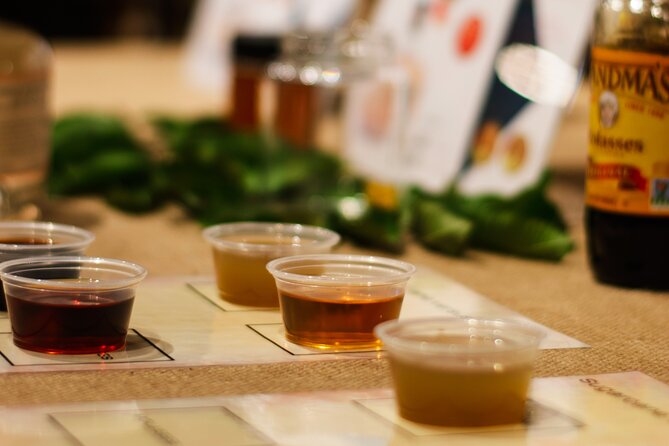
The flight includes at least four artisanal sugarcane rums, with the total listed as four to seven tastings. That range may depend on the session or the bottles available. You should expect a guided selection rather than a menu where you choose every pour.
Each rum is meant to carry its own flavor story and origin. That gives the host room to compare production methods, aging, and regional character. The strongest appeal is variety. You are not tasting four near-identical white rums and calling it a day.
A small serving of plantain chips is included, along with water. The chips are a practical touch. They give you something salty to eat between pours, while water helps you reset your palate and pace the alcohol.
The food remains a snack, not a meal. Plan to eat separately if you need lunch or dinner. That is especially important if you schedule the tasting during the 1:00, 2:00, or 3:00 afternoon slots and expect it to replace a full meal.
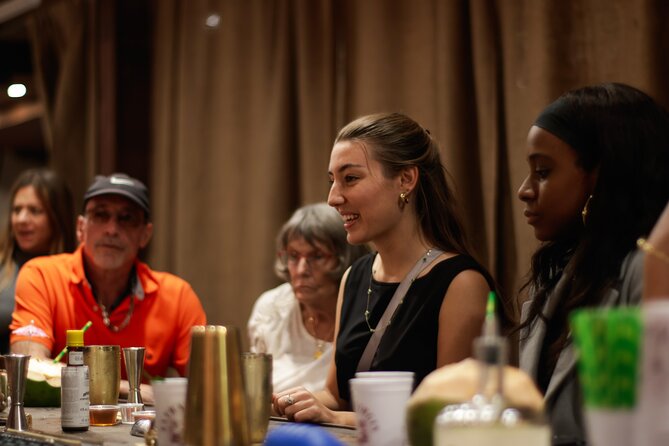
The host is a major part of the appeal. The most enthusiastic praise focuses on an engaging host and the range of rum flavors. That matters more here than it would at a self-guided bar tasting, because the value comes from the explanations between sips.
A good host can help you connect a flavor to the spirit’s origin or aging. You can also ask questions about the sugarcane process and the island’s role in the rum trade. Since the format is private, your group does not need to follow a one-size-fits-all script as closely as a large public tour might.
A completely different kind of day:
- Tree Limin’ Extreme Zipline
★ 5.0 · 1,713 reviews - Afternoon Snorkel, Pizza & Sunset Tour departing from St. Thomas & St. John
★ 5.0 · 1,498 reviews - Parasail Experience in St Thomas
★ 5.0 · 1,215 reviews - Sunset & Harbor Lights Dinner Sail from the Marriott’s Frenchman’s Cove
★ 5.0 · 1,176 reviews
A compact lesson in St. Thomas trade
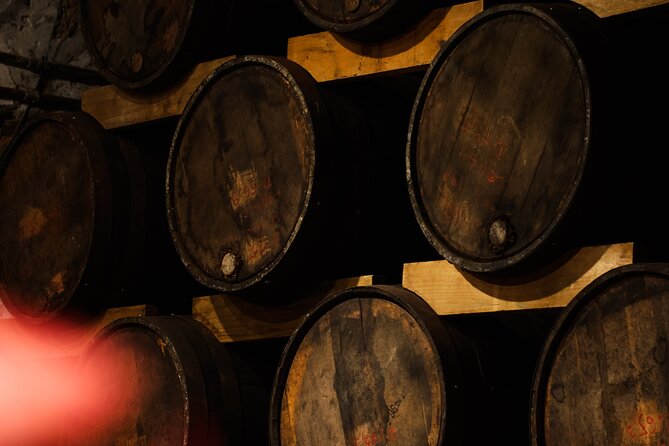
The history portion places rum within the colonial trade of the Virgin Islands. Charlotte Amalie was a port where goods, ships, labor, and money moved through the Caribbean. Rum was not just a beverage. It was part of an economic system shaped by sugarcane and overseas trade.
The experience uses that history to give the drink cultural context. You learn why sugarcane mattered, how rum fit into the wider West Indies economy, and why the old barrel house is an appropriate setting for the lesson.
A local historian leads the historical discussion, according to the tour description. That should make the talk more connected to the streets around you than a generic rum lecture. You are not only hearing about a spirit made somewhere else. You are hearing about a product linked to the port where you are standing.
Keep your expectations reasonable. The itinerary promises insight into Charlotte Amalie and the colonial rum trade, but not a broad walking tour or a detailed treatment of every period in Virgin Islands history. The history supports the tasting. It does not replace a dedicated city tour.
That balance is a strength for some people. I like activities that give a drink or dish a sense of place without turning a short outing into a classroom. If you want more history, you can pair this with time exploring central Charlotte Amalie on your own.
Is $35 a fair price?
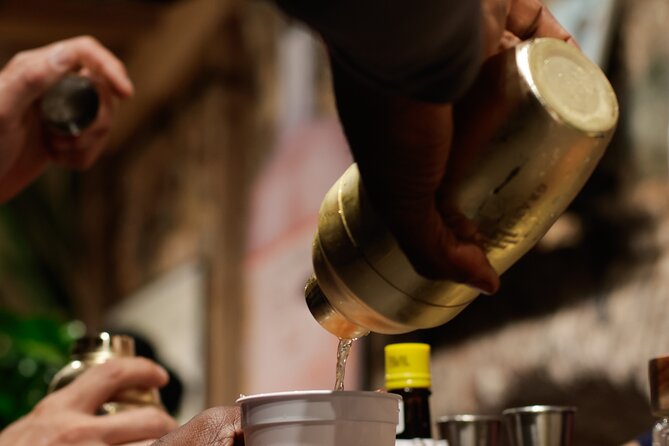
At $35 per person, the value depends on what you want from the outing. You receive four to seven alcoholic tastings, water, plantain chips, a guided explanation of rum production, an aroma activity, and access to a historic setting. Compared with paying separately for several premium pours at a bar, that can be a reasonable package.
The private format improves the value for couples, friends, and families of adults who want direct attention. A host who can adjust the conversation to your questions makes the educational part more useful than a standard pour-and-move-on tasting.
The price is less attractive if your main goal is simply to drink rum. You might find cheaper drinks elsewhere, and this is not designed as a long evening of unlimited sampling. You are paying for interpretation, setting, and comparison, not only the liquid in the glasses.
The short duration helps keep the cost manageable. At about 45 minutes, you can add the experience to a larger Charlotte Amalie day without giving up an afternoon. The tradeoff is that the visit will feel brief if you want detailed production information or a long discussion of each bottle.
Timing, meeting point, and the one practical warning
The available schedule is narrow: Wednesday through Friday, with listed starts at 1:00 PM, 2:00 PM, and 3:00 PM. The booking information displays half-hour windows, while the experience itself lasts approximately 45 minutes. I would allow extra time around the selected slot rather than planning a tight connection.
This is particularly important for cruise-day visitors. A late ship arrival, a slow walk through town, or difficulty locating the barrel house could leave you rushing. The activity ends where it begins, so you do not need to arrange a separate return transfer.
One poor experience involved difficulty reaching the operator and a long search for the location. The provider explained that the rum room is behind its jewelry store and has been operating on the island for almost two years. Even with that explanation, the practical lesson is simple: confirm the exact storefront and entrance before the day of your tasting.
The activity is near public transportation, and confirmation is provided at booking. Service animals are allowed. Since it is a private activity, only your group participates, which makes it a good choice if you prefer a quieter setting.
Free cancellation is available up to 24 hours before the start time for a full refund. Changes or cancellations inside that period are not accepted for a refund. Poor weather or failure to reach the minimum number of participants can lead to a new date or a full refund.
Who will enjoy this most?
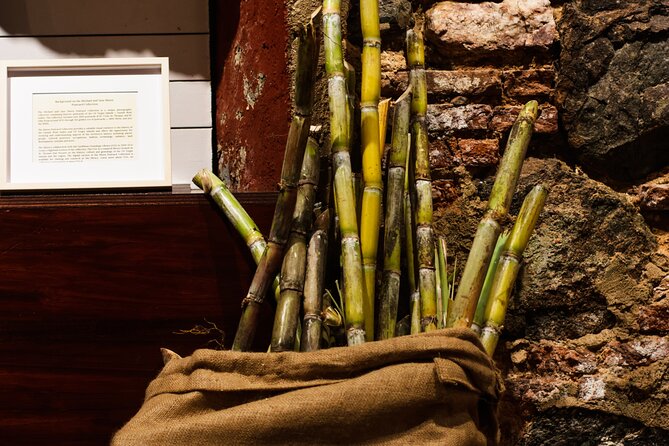
I would choose this for a rum beginner who wants more than a flight of anonymous samples. The explanation of sugarcane juice, molasses, and cognac barrel aging gives you useful basics without requiring prior knowledge.
It also suits history fans who enjoy seeing how food and drink connect to trade. The old barrel house and Charlotte Amalie setting add meaning to the tasting, even though the activity is short.
Couples and small private groups should find the format comfortable. The host can focus on your interests, and the 45-minute length leaves room for shopping, sightseeing, or a meal elsewhere.
I would be more cautious if you do not drink alcohol, need a substantial meal, or want a full-day rum distillery visit. The included food is only plantain chips, and the activity centers on tasting several alcoholic pours in a short period.
Should you book the Old Barrel House tasting?
Book it if you want a focused introduction to Caribbean rum, especially if you enjoy history and prefer a private setting. The aroma station, sugarcane comparison, and historic barrel house give the $35 price more substance than a basic bar flight.
Before paying, confirm the meeting address, the entrance behind Cardow Jewelers, and the selected time. That small step addresses the main practical weakness associated with this experience. If the details are clear and the schedule fits, this is a thoughtful, compact way to connect a St. Thomas afternoon with the island’s rum tradition.
FAQ
Where does the rum tasting begin?
It begins at Cardow Jewelers, listed at 5195 Dronningens Gade, Suite 1, in Charlotte Amalie, St. Thomas. The rum room is described as being behind the jewelry store in a restored historic barrel house.
How long does the experience last?
The experience lasts approximately 45 minutes.
How many rums will I taste?
The tasting includes at least four artisanal sugarcane rums. The inclusions also list a range of four to seven rum tastings.
What else is included besides rum?
Water and plantain chips are included with the alcoholic beverages.
Which days and times are available?
The listed schedule is Wednesday through Friday at 1:00 PM, 2:00 PM, and 3:00 PM. The displayed booking windows run for 30 minutes, while the activity itself lasts about 45 minutes.
Is this a private activity?
Yes. Only your group participates in the activity.
Can I cancel for a full refund?
Yes, if you cancel at least 24 hours before the local start time. Cancellations or changes made less than 24 hours in advance are not refunded.
Just added in St Thomas
- Vi Top Taxi &Tours – Airport Transfer to the Ritz Carlton★ 5.0 · 31 reviews
- Sightseeing and Swimming Excursion★ 4.5 · 9 reviews
- Vi Top Taxi – St. Thomas Airport Transfer to Wyndham Margaritaville★ 5.0 · 26 reviews
- Aerial Sightseeing Adventure!★ 5.0 · 1 review
- Reef and Turtle Adventure – Kayak and Snorkel Tour★ 5.0 · 15 reviews
- Turtle Snorkel Sail on Buck Island from Frenchman’s Reef★ 4.0 · 8 reviews
- Private Sunset Charter + Guided Night Snorkeling in St Thomas★ 5.0 · 3 reviews
- 6 Hour St. Thomas Private Sightseeing Tour★ 4.5 · 23 reviews
Food & Drink, compared.
St Thomas Food Tasting and Cultural Walking Tour
Read our review →
Taste of Twin City Food Tour with VI Food Tours
Read our review →
A Evening Cultural Experience Through Food Cooking Class St. Croix
Read our review →
A Morning Cultural Experience Through Food Cooking Class St. Croix
Read our review →
C’sted Sip & Savor Mixology Class with VI Food Tours
Read our review →Browse the lists this tour appears in